

lassoed.
the dichotomy of home and health.

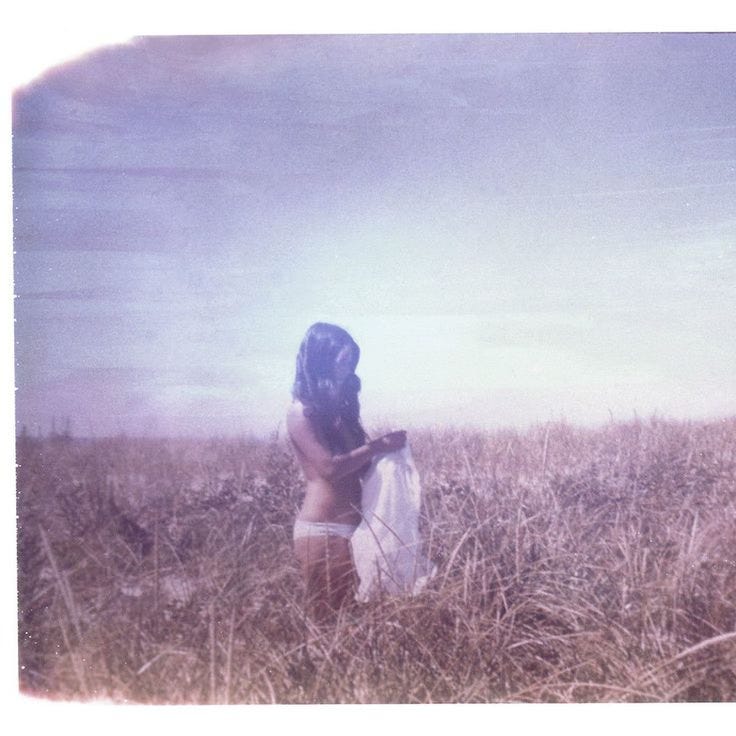
recently, a friend reminded me that i was once a debutante.
From fifth grade to eighth, I attended cotillion courses—small-town etiquette classes filled with fellow small-town girls who didn’t look like me. We learned to foxtrot and to waltz; spent hours learning how to cut cinnamon rolls, slimy and sticky with sugar, into delicate, precise bites several times over.
At the end of eighth grade, before diving into the shark-infested waters of high school, I debuted. My daddy drove me to a huge, gluttonous country club so far out back that my scrap of a phone had no signal. I was in one of my best dresses, my hair braided down and my skin gleaming under the high beam lights that shone out from the customized pick-ups on the highway.
It was a night meant to shine me up, to spotlight me as one of the girls who “turned out right.” And still, it was a good night. I smiled out at the crowd, dancing every formal step flawlessly, my dress spinning out to the edges of the floor as boys—none taller than me—twirled and dipped me.
The parents clapped, delighted. I promptly rewarded myself with a three-course meal, eating until full before the dance floor opened up again. Many of my friends had quit the program along the way, but I stayed. Maybe that was the first time I realized I was built differently.
I think it rained that night on the way home. It gets hazy the harder I try to place it. I just remember my daddy’s car, the steady beat of his tires on the road, and the creeping realization: I hadn’t hated it as much as I loved to claim. The disappointment in realizing I’d been lassoed back into the yard; I thought I’d escaped.
What does it mean to hate something that doesn’t deplete you? Is this dysfunction?
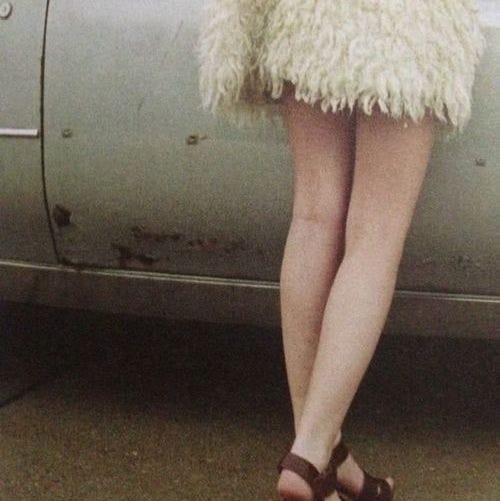
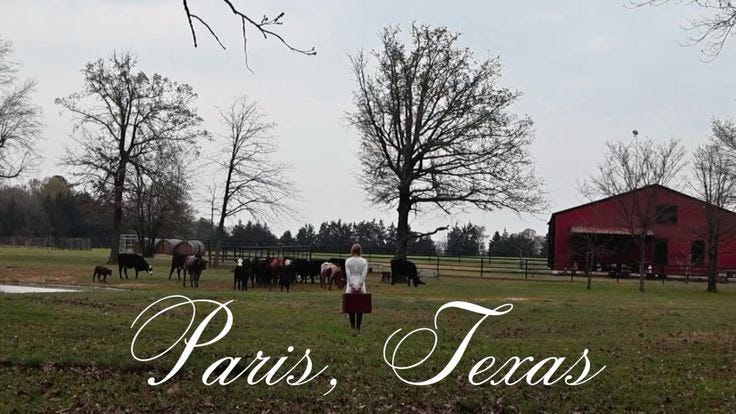
The dichotomy has continued years farther from my perfect debut. Returning home is always a paradox: within three weeks, it gives me a headache, but I look and feel irrevocably healthier.
My body molds itself to the rhythm of home: taking the pets out late into the night for a final bathroom round-up, slipping into a cotton nightgown made translucent from the rain, sleeping deeply with the quiet reassurance that somewhere in the basement, there’s a .45 waiting.
There’s a place here for women like me: a little mean sometimes, well-intentioned but not always well-executed, ten toes deep in love and heartache, bound to the earth by the workings of family blood and loyalty.
Here, I’m almost superhuman. I spar with my mother like a forest fire—burning bright, hot, and steady. I hold my ground against the louder, prouder racists emboldened by time. The South and the West have carved themselves into me, pooling at my navel and spilling down to my feet.
Home fills me out. I gain weight; my body settles properly onto my bones. I look less like a grave, more like a girl come home. My face deepens into its truest shade of brown, and I smile more, my teeth gleaming in the light as I croak out a laugh. I get my nails shaped like perfect almonds, choose fairy tale pink as the color, and then darken them to carnation.
I feel less staged, less awkward, less like the world’s best-trying pageant queen.
I linger in my mother’s bathtub, staring into the porcelain and attempting to coax visions of what she must feel since she never tells me, watching her hand-sown garden from the window. My father cuts wood, a thwuck noise instead of a thwack.
Thwuck, thwuck, thwuck, and it sends me into the mirror, turning my head to stare hard until the shame of being seen—even by myself—makes me flinch. I retreat to shiver at the feet of the fireplace, where the dog hogs the heat, curled tight like a fossilized shell to block its glowing mouth.
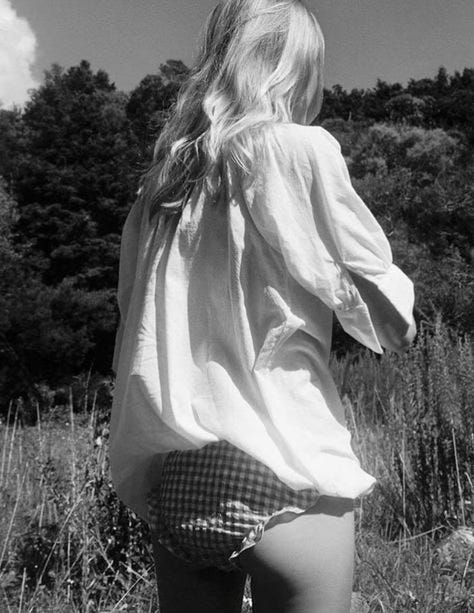
Soon, I’ll sneak down late at night, feet pressing carefully on the winding case because I know which steps creak and betray me, which ones moan like a woman in labor.
My faux-croc leather Macbook case steeps on the counter. I bring her up to sit on my nightstand, inflamed with the artifacts of a life lived away—my faux-pebble leather phone case and dark, pine-green journal with my gold-rushed initials embossed on the back and front, respectively. Sometimes, I doze off with them spread around me.
I always sleep in my older sister’s room instead of my own. I am, after all, still the youngest daughter.
This week, Ochuko Akpovbovbo is staying with me.
I’m newly enamored with Paige Lorenz’s lifestyle brand, Dairy Boy, and its sister homeware label, American Charm. Paige was ahead of her time, wasn’t she? I expect to see many more brands leaning into the Americana aesthetic in the next few years, and along with that, the serif fonts of prairies and Westerns will reign supreme. I hinted at this a few weeks ago—the return of the serif font—and many of you were curious about my theory.
I think sans serif was a moment that many brands leaned into because it represented a kind of aspirational modernity that characterized the last few years. Serif has always felt more classic and traditional—cottage core, horse girls, and coastal grandmas—the America of many people’s dreams. Brands will respond, new brands will pop up, but nothing as ubiquitous as what we saw in previous generations because culture, audiences, and tastes are more fragmented than ever. When I think of GLP-1s, I picture them in serif, and if you can’t see what I’m saying, I fear you never will.”
Serif never left towns like mine. Here, serif is infinitely chic.
And so am I.
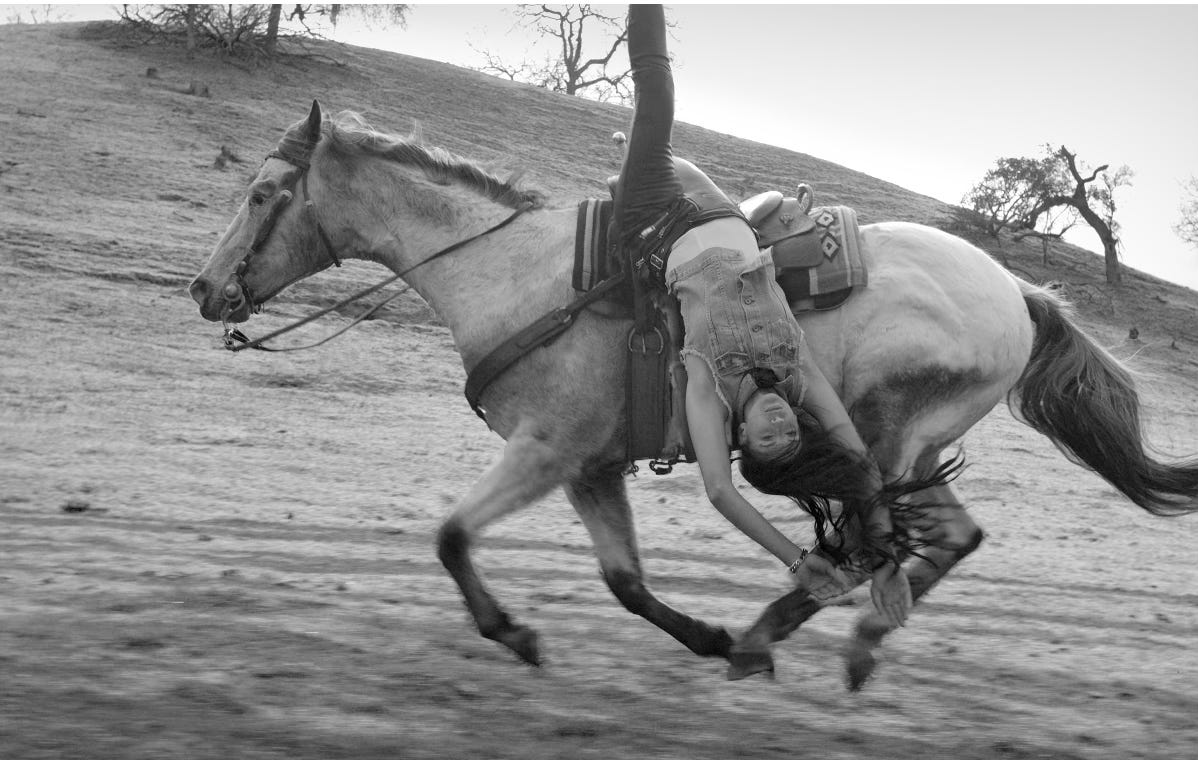
I went to another land, returned in the winter, and then I’m gone again with the end of the winter winds. That’s a lot further than most people here go. I come back in the summer to sweat in my oppressive sadness, the heat pressing against me like a mouth to skin. My thighs will ache from gripping the taut muscles of a stubborn stallion.
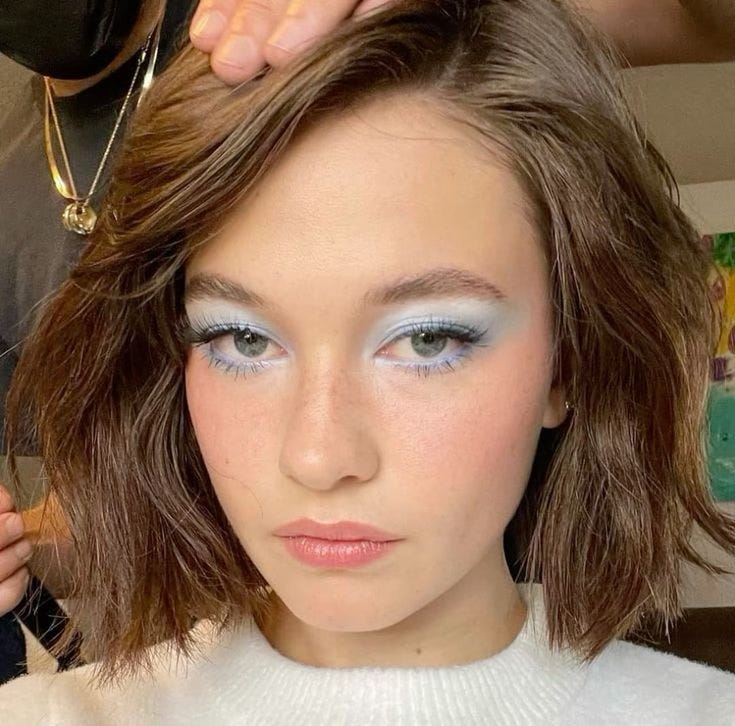
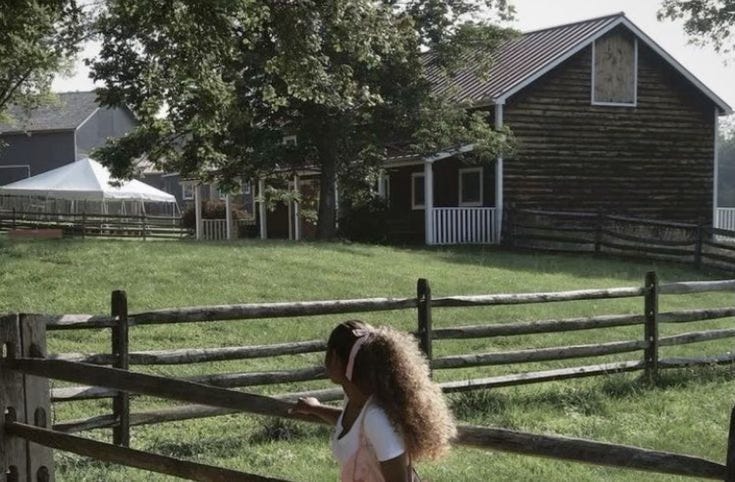
I’m not foolish enough to think I’d flourish here by settling down. I broke out for a reason. But I’ll keep the family home and lands in my bloodline, pay it off, and protect it. I’m infected, infested.
I’ll have a sprawling ranch thick with the fattened bodies of cows and lambs, tended to by my wife with her tough hands and wide, star-like eyes. I’ll read my tarot like the morning news, all my thick, mixed gold jewelry pealing out around me like church bells.
When I was younger, my biggest dream—besides “making it”—was leaving this place behind. The whole state, even. But something has shifted. Maybe it’s a side effect of growing older or recent world events, but I know now that I can’t sacrifice the land I was rooted in.
Even when I die—and I hope for a water burial—I want what’s left of me to make its way into the river behind our shed. It trickles past a dam, barely held together.
I’m still the girl who runs out to scare deer away before my dad can shoot them. I still watch with my breath held and covered with one hand, stomach pressed flat with the other, as a fox weaves back to her den of kits.
I used to think loving this place made me boring, that life was better when I felt trapped. And that place did trap me, but now it’s lassoed me back. The town pulls me back, but I pull harder, shaping it into what I need.
I see videos of people living lives like mine. Not everyone packs up and leaves. Most can’t afford to. Some of us stay. Some of us find our way back and then make our way out again.
I realize I’ll never truly leave. I can’t abandon my neighbors, their golden retrievers, the new baby, or the ghost of the diseased raccoon I tried to misguidedly save by calling the sheriff’s office.
People who know me, who bonded with me over dreams of escape, don’t always understand my burgeoning love for what raised me. We all thought we’d shed our skins like snakes, outgrowing this place for somewhere shinier. But when we left, things didn’t get better. We felt cheated, cursed.
They think my love for home is safety—an instinct to retreat to what’s familiar. It’s not.
This town is more radical, more dangerous for me than ever. But when I ride back in, I remind them who the real cowboys and cowgirls are. They can try to co-opt this life, but I was here first.
I want to learn how to shoot in the face of this new dawn we’re approaching because all the men in my life have a license to carry, and I feel wary of not being able to take care of myself. It’s a little like Stoker, looking into the scope and keeping an eye on the danger people are telling you to let sleep.
Already, I’ve set myself a task. I’ll finish my book here. I know how it ends. Now, I just need to thread my way back to the beginning, tying off every loose end.
And then, the second task:
I’ll drag the cobwebbed boxes from the closet and put up the Christmas tree. I’ll string festive lights over the thick-chested trees and net them over baby bushes that have leaves like teeth.
The sun will sink. The dogs are going to bark into the night, and the sounds will bleed into howls, so slurred and eerie I think we’ve contracted wolves. Owls will ask their endless, haunted question: Who? Who? Who?
Me, baby.
I’ll be the strong man in this house now. My mother can’t do it anymore.
It’s how it goes.
(note: if you enjoyed the feel of this piece, i recommend the works of Girl Insides, eve, and wenyi xue. )
so so so many good lines but my favorites were:
"But I’ll keep the family home and lands in my bloodline, pay it off, and protect it. I’m infected, infested."
"Even when I die—and I hope for a water burial—I want what’s left of me to make its way into the river behind our shed. It trickles past a dam, barely held together."
"I’m still the girl who runs out to scare deer away before my dad can shoot them."
"They can try to co-opt this life, but I was here first."
and then the entire ending "The sun will sink. The dogs are going to bark into the night, and the sounds will bleed into howls, so slurred and eerie I think we’ve contracted wolves. Owls will ask their endless, haunted question: Who? Who? Who? // Me, baby. // I’ll be the strong man in this house now. My mother can’t do it anymore. // It’s how it goes."
i truly wish i could live in ur brain
(also funny the way this lined up bc i got the notification for it while i was visiting home (parents) and now im home (my own) and it feels nice to have my own home-visiting line up with yours)
"When I was younger, my biggest dream—besides 'making it'—was leaving this place behind. The whole state, even. But something has shifted. Maybe it’s a side effect of growing older or recent world events, but I know now that I can’t sacrifice the land I was rooted in."
while I don't share the same sentiment for my hometown, I completely understand what you mean. the shine of new places fades quickly (esp given the current political climate and so many people around the world eagerly voting for fascism) and while familiarity is probably a piece of why one might want to return to their hometown, that really is a huge oversimplication.
(also while I don't want to get a gun - i understand and support why other people would want to, I just do not feel comfortable with one myself - I have been looking into getting other forms of protection recently. which kind of spawned from the essay where you mentioned thinking about getting a gun lol.)
this was beautiful 💗